Performance Review Process That Managers Actually Finish
Design performance reviews managers complete on time—lightweight cadence, clear forms, calibration tips, and how to avoid annual review theater.
 Warka TeamPeople operations5 min read
 Performance
Annual reviews fail for a boring reason: managers do not finish them. Forms are long, ratings feel political, feedback is stale, and HR chases incomplete packets while compensation deadlines loom.
A process managers finish is shorter, more frequent, and tied to work already happening—goals, KPIs, and 1:1s—not a once-a-year essay contest.
Why reviews stall
- Too many open text fields with no examples
- Unclear rating definitions (“meets expectations” means different things)
- No time blocked on calendars
- Comp decisions arrive before reviews are done, so reviews feel optional
- Managers never practiced giving feedback mid-year
Fix design, not nagging.
Principles of a finishable process
1. Separate development conversations from pay decisions
Pay calibration needs ratings. Development needs coaching. Mixing both in one marathon form makes managers defensive and employees anxious. Keep a short rating packet for compensation and a richer growth conversation on a different day if needed.
2. Review what already exists
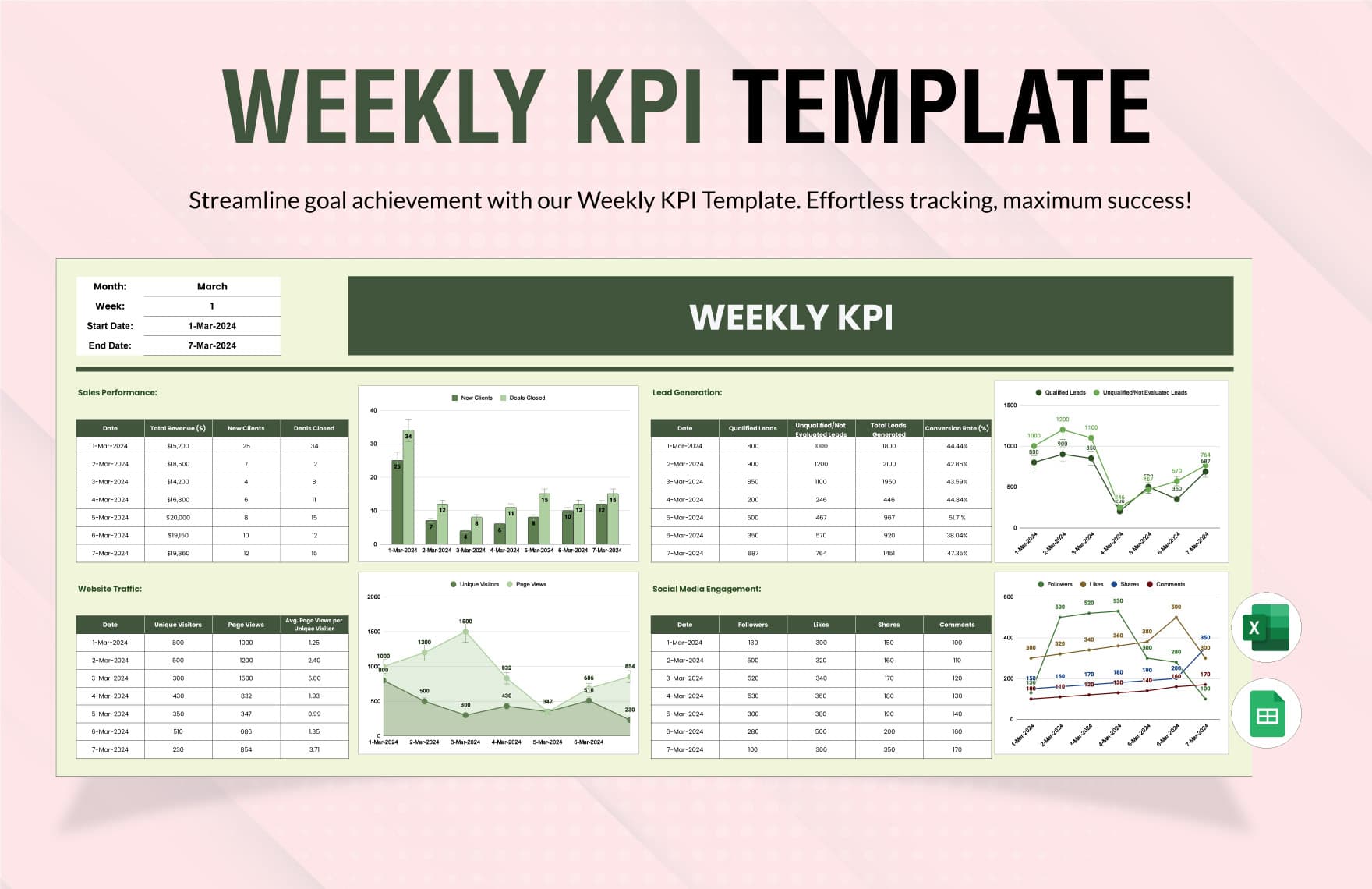
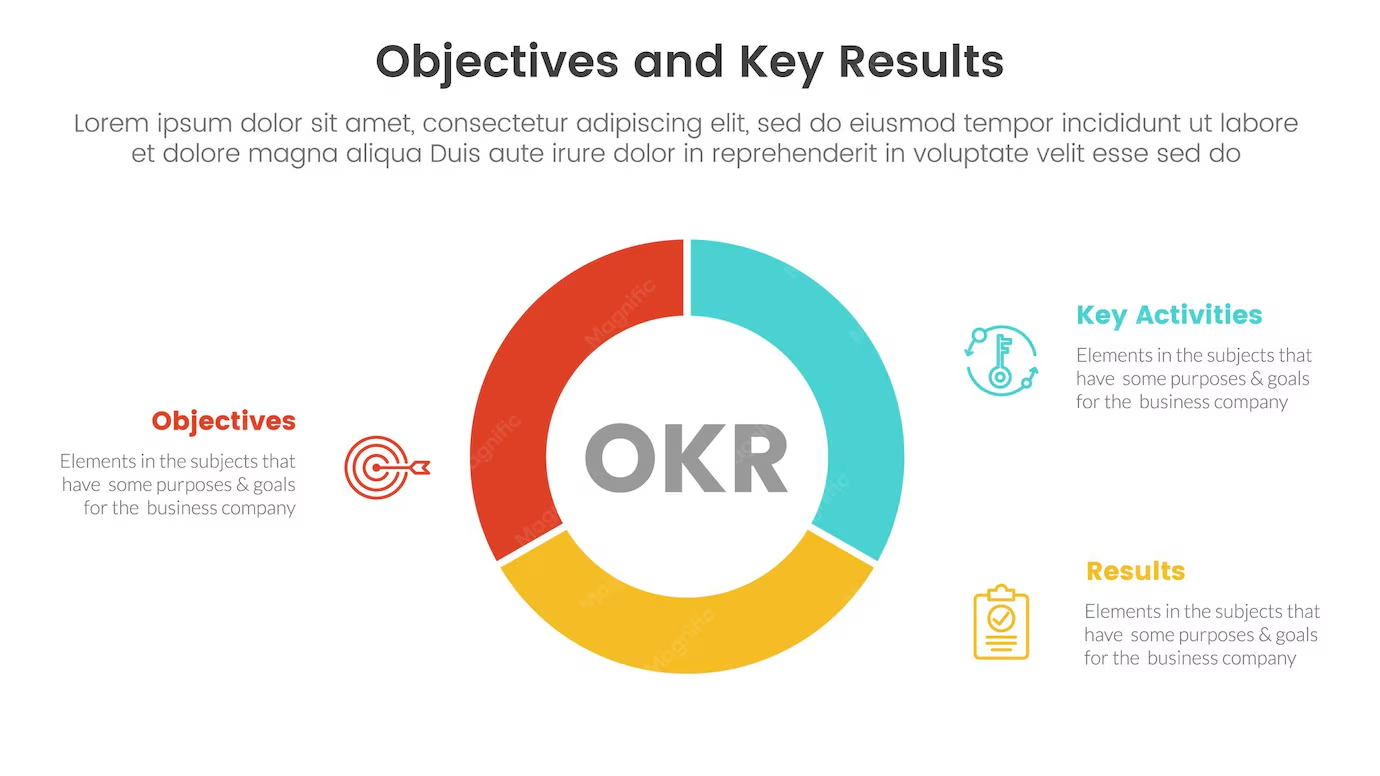
If teams run OKRs or KPIs, pull evidence from those systems instead of asking for a memoir. See KPI vs OKR and OKRs that stick.
3. Cap the form
A finishable manager form often includes:
- Overall rating (with definitions)
- 2–3 strengths with evidence
- 1–2 growth areas with next steps
- Goal outcome summary (met / partial / missed)
- Promotion readiness (yes / not yet / n/a)
Anything beyond that belongs in optional attachments.
4. Use a short cadence
Two light checkpoints per year beat one abandoned annual. Pair with a manager weekly people review so surprises are rare.
Sample timeline (mid-size company)
| Week | Activity |
|---|---|
| −3 | HR publishes rating guide + deadlines |
| −2 | Employees submit brief self-reflection (optional, capped) |
| −1 | Managers draft ratings; skip-levels for edge cases |
| 0 | Calibration session by function |
| +1 | Manager conversations scheduled |
| +2 | Packets locked; HR archives |
Publish the calendar early. Ambiguity creates delay.
Calibration without theater
Calibration should answer: Are we applying the same bar? Not Who is the favorite?
Rules that help:
- Bring evidence, not vibes
- Limit each discussion to contested ratings
- Document rating distribution expectations without forced curves that punish strong teams
- Separate performance from tenure loyalty
Making managers capable
Training beats tools:
- How to write evidence-based feedback
- How to handle “surprise” poor ratings (they should be rare if weekly rituals exist)
- How to discuss growth without promising promotions
New managers need a one-page cheat sheet and a practice round before go-live.
Anti-patterns to kill
- 360 surveys with 20 raters for every IC
- Forced ranking for teams under ten
- Reviews only when someone asks for a raise
- Copy-paste feedback across reports
FAQ
How long should a manager review take per person?
Aim for 20–40 minutes of writing if goals and notes already exist. If it takes hours, the form is too heavy or the year lacked documentation.
Should employees write long self-reviews?
Keep self-reviews short or optional. Long self-reviews often become defensive novels that managers ignore.
Do we need software?
Software helps with reminders, history, and calibration exports—but process design matters more. A clean spreadsheet with deadlines beats a bloated module nobody opens.